How to Sing Better: How To Sing RNB

How to Sing Better: How To Sing RNB

Table of Contents

If you’re wondering how to sing RNB and truly be a strong singer but feel stuck because you don’t know where to start, or you’re afraid you’re not talented enough, you’re in the right place.

I’ve been exactly where you are in your vocal journey.

I still remember the first time I stepped onto a stage in Toronto. My hands were shaking, my voice felt trapped in my throat, and I genuinely thought I might pass out. Friends told me I was average. I doubted whether I had what it took. 

In this guide, you’ll learn how to overcome stage fright, fix common RnB vocal problems (like going nasal on high notes), master vocal runs, get paid gigs, navigate the music industry, and build the skills you need to turn your passion into a career.

how to sing rnb

About The Author

Kelsey Vaz is a Toronto-based RnB singer, songwriter, and vocal coach at Express Voice Studio. With years of experience navigating the music scene, Kelsey Vaz has transformed from a stage-frightened beginner into a confident performer who regularly connects with audiences across Toronto’s vibrant music community. Her journey through the challenges of stage anxiety, vocal development, and building a sustainable music career has shaped her teaching philosophy- one that emphasizes healthy singing, patience, creative practice, and treating your artistry as a business.

When she’s not performing at local venues or recording new music, Kelsey gigs as a background vocalist, is a music teacher at daycares, and helps aspiring singers develop their vocal technique, overcome performance anxiety, and find their unique vocal style in the RnB genre. She believes that every singer’s journey is different, but with consistent practice and the right guidance, anyone can develop the skills to share their art with the world.

Summary:
5 Hot Takeaways

1. Talent Isn't the Problem.

But, Persistence Is the Solution. You don’t need to be naturally gifted to become a great RnB singer. Every successful artist was once called “average” or told they couldn’t sing. What separates those who make it from those who don’t is regular practice, creative experimentation, and refusing to quit when feedback stings.

2. Fix Nasal Tone

Fix Nasal Tone by Lifting Your Soft Palate and Supporting from Your Diaphragm.

If you sound nasal on high notes, it’s likely because your soft palate is lowered, directing sound through your nose—a habit that can be improved with ear training and awareness. Practice the “yawn” feeling to lift your soft palate, and push air from your core, not your throat. I also teach singers to understand their unique vocal tones and explore different placements and dynamics. By experimenting with techniques like the nasal-tone-fix, you learn to treat your voice like an instrument—developing creativity, control, and clarity in your sound.

3. Master RnB Runs

Master RnB Runs by Slowing Down, Recording Yourself, and Making Them Your Own.
Vocal runs aren’t magic—they’re fast scales with rhythm. Slow down the run to half speed, practice each note cleanly, record yourself to catch mistakes, and gradually increase speed. Once you’ve mastered the technique, add your own flavor to develop your unique sound.

4. Treat Your Music Like a Business

Treat your music like a business from Day One.
Learn how to publish and distribute your music, track all spending and income, understand royalties, and build your fanbase before worrying about industry trends. Your music is your business—manage it like one, and you’ll avoid costly mistakes that derail careers.

5. Start Small

Start Small, Perform Often, and Build Your Network Locally.

You don’t need a huge platform to start. Attend open mics, post covers online, connect with your local music community, and check your city’s arts council for gigs. Most paid opportunities come from relationships you build in person—not from waiting to be discovered online.

Let me be honest with you: learning how to be a better singer isn't just about hitting the right notes. The biggest battles I've faced weren't technical- they were mental.

The Mental Challenge When You Want to Be a Better Singer

Stage fright nearly killed my career before it started.

I’d practice for hours at home, sound amazing, and then freeze the second I saw an audience. The anxiety was crushing. I’d obsess over every little mistake, replay negative feedback on loop, and convince myself I wasn’t good enough.

Here’s what actually helped me become a confident singer:

  • Start small: I began at tiny open mics where maybe five people showed up. Low stakes meant lower anxiety.
  • Reframe feedback: Instead of taking criticism personally, I learned to see it as data. What can I improve? What’s working?
  • Body awareness: Your body needs time to adjust to performing. I practiced breathing exercises and grounding techniques before every show.
  • Repetition: The more I performed, the less scary it became. Simple as that.

Dealing with people who say you can't sing

Here’s something I wish someone had told me earlier: people will always have opinions about your voice, no matter how much singing practice you do. Some friends told me I was average. Some said I should give up. Some said I didn’t have “the voice” for RnB. Most people giving you feedback aren’t vocal coaches or trained musicians—they’re just sharing their personal taste. What truly matters is whether you’re improving, not whether someone thinks you’re a bad singer. Are you better than you were six months ago? That’s your real measure of success. I’ve seen 15-year-olds post covers online, get told by friends they can’t sing, and nearly give up on their dreams. But here’s the truth: you have potential. If you don’t quit, you’ll get better—that’s not motivational fluff, that’s how vocal development works. 

Overcoming stage fright starts with shifting your perspective. It’s easy to get caught up in the need for public approval when you’re singing, but remember: we sing because we love music. It’s the joy of embracing the art that drives us, not the need for validation. When you step onto the stage, remind yourself that your audience isn’t there to judge you—they’re there to connect with the music, just like you are. Focus on that connection first. Prioritize the music, and let the audience experience it with you. The approval you seek will naturally follow when you’re truly immersed in the music.

Feel like you need a professional's opinion on your RNB voice?

How Long Does It Take to Get Good at RNB?

People always ask me: “How long until I’m good enough?”
Here’s the truth: I’ve been singing for many years, and I’m still learning. But that doesn’t mean progress takes forever or that you will never be good enough for the industry: singing is a lifelong journey and requires taking care of your vocal chords, physical health, and mental health forever! This music is so much about passion. You have to find yours!


Focus on one thing at a time: tone, runs, breath control, stage presence, and remember to stay hydrated.

Don’t burn out trying to master everything at once, remember its a marathon.
Your body and mind need time to catch up to certain songs and techniques. Practice is important, but so is creative practice. I started improvising over backing tracks, experimenting with melodies, and recording myself to hear what worked. That’s when I really started to sound like myself.

  1. Pick one skill (like breath control or vocal runs)
  2. Practice it consistently for 2-3 weeks
  3. Give your body time to adjust—your vocal cords are muscles, and they need rest
  4. Move to the next skill
  5. Study The Greats: Mastery start with imitation

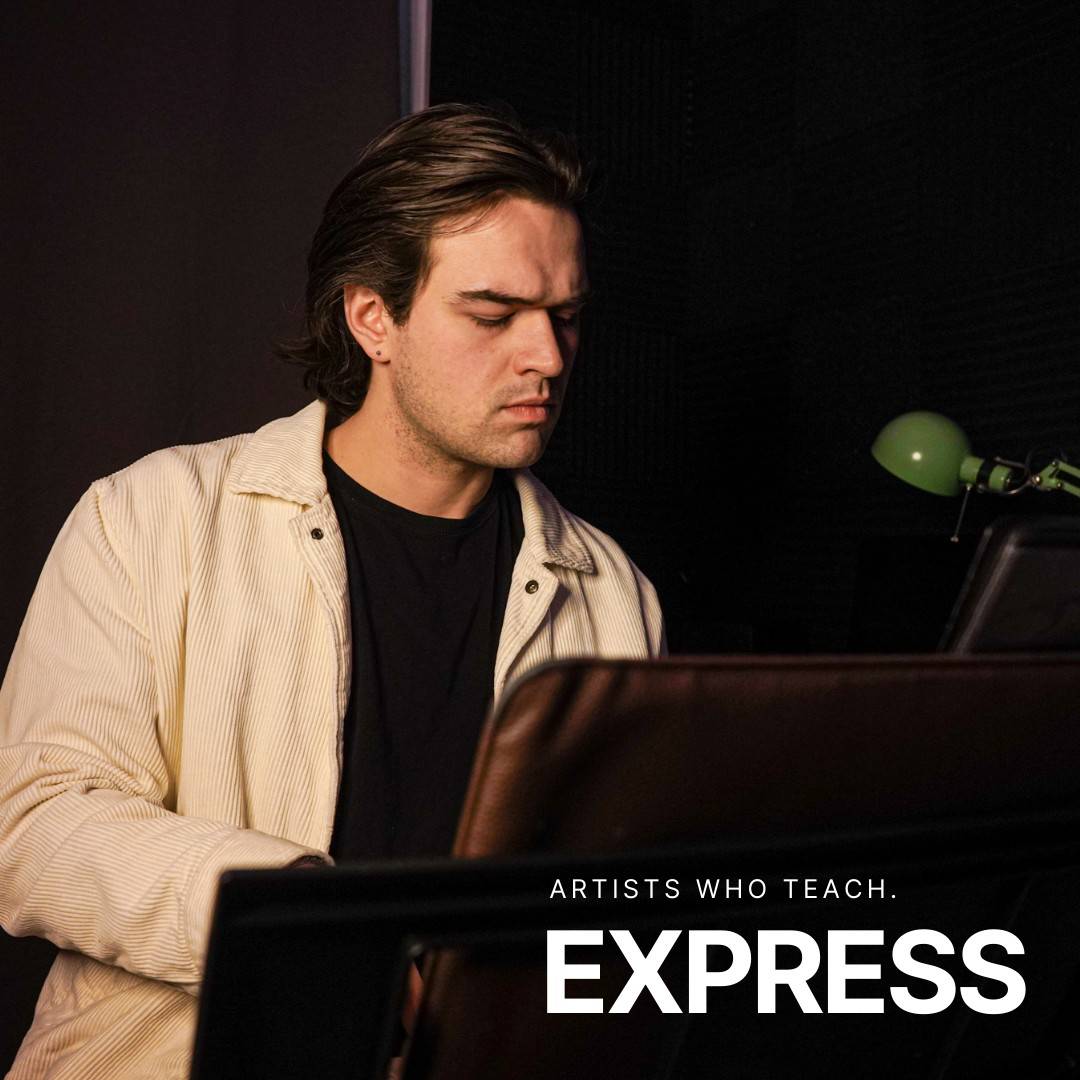
voice teacher Kelsey Vaz demonstrating singing technique

How to Sing RnB:
Solving the Most Common Technical Problems

Let me address the specific challenges that come up when you’re learning how to sing RnB—because I’ve dealt with every single one of them.

Problem #1:
Going Nasal on Higher Notes

This was one of my biggest struggles with my singing voice . When I’d try to hit higher notes, my voice would get thin and nasal. It sounded weak and strained.

Here’s what fixed it for me:

Solution A.
Open your mouth more vertically:

When you go higher in your range, your jaw needs to drop. I used to keep my jaw locked, which pushed all the sound into my nose. Practice singing scales while consciously opening your mouth wider as you go up. Think vertical space, not horizontal.

Solution B.
Relax your neck:

Tension in your neck closes your throat and forces sound through your nose. Before you sing, roll your shoulders back, gently stretch your neck side to side, and consciously release any tightness.

Solution C.
Soft palate awareness:

Your soft palate (the back of your throat) needs to lift when you sing higher notes. Practice yawning—that’s what it should feel like. When you keep your soft palate low, air goes through your nose instead of your mouth, creating that nasal sound.

Solution D.
Support from your diaphragm:

Higher notes need more breath support, not more throat tension. Practice breathing exercises where you engage your lower abdomen. When you go for a high note, push from your core, not your throat.

Solution E.
Don't reach for the notes:

When you physically reach up or tilt your head back, you’re actually closing your throat and making it harder to hit high notes. Keep your chin level or slightly down, and imagine the sound coming from deep in your chest, not from your head. Adjust your placement as needed and play with how much power you give to your higher belted notes, many singers over-anticipate how much force is required. Often, a lighter, more focused approach gives you a cleaner, more controlled sound.

How to Sing Better: How To Sing RNB

Problem #2:
Struggling with Vocal Runs and Variations

RnB is full of runs, riffs, and variations (those quick note changes that artists like Usher, Ne-Yo, and Chris Brown make look effortless). They’re not effortless. They take practice. Here’s my system for mastering RnB runs:

Solution A.
Pick one RnB recording you like that's not too complex:

Start with something achievable. Don’t try to copy Mariah Carey’s whistle tone runs on day one. Find a simple riff in a song you love.

Solution B.
Listen carefully several times:

Before you try to sing it, listen to the run 10-20 times. Understand the rhythm, the notes, and the feeling behind it.

Solution C.
Slow it down to half speed:

Use YouTube’s playback speed feature to slow the song down. Practice the run slowly until you can hit every single note cleanly.

Solution D.
Use scales:

Practice your major and minor scales every day. Runs are just fast scales with rhythm. The more comfortable you are with scales, the easier runs become. Pentatonic scales are especially important for RnB.

Solution E:
Record yourself doing the vocal exercises:

This is non-negotiable. You think you’re hitting the notes, but when you listen back, you’ll hear where you’re sliding or missing pitches. Fix those spots.

Problem #3:
Match Pitch-
Going Flat on High Notes

When your jaw is locked and your neck is tense, your pitch tends to go flat on higher notes because you’re restricting airflow and creating tension that pulls the note down. The fix? Everything I mentioned about opening your mouth vertically and relaxing your neck, as these aren’t separate problems, they’re connected.

You can also try adjusting your placement. Sometimes, using a “bottom-up” approach in the high register helps. Adopt a more open, resonant (operatic-style) placement, and if needed, slide up to the target note starting from the same note an octave lower. This creates a smoother, more supported transition into higher notes.

Problem #4:
Sounding Like Yourself
(Not Just a Copy)

When I first started singing RnB, I was basically trying to mirror my favorite artists. I sounded like a cheap knockoff. The breakthrough came when I stopped trying to copy anyone else and started asking: What does my voice naturally do well?

For me, it was emotional delivery and softer, intimate moments. I leaned into that instead of trying to belt like someone with a completely different voice type. My suggestions for you:

  • Find your strengths:

Are you better at smooth, controlled notes or powerful belting? Do you have a unique tone or texture? Play to those strengths.

  • Study multiple artists:

Don’t just listen to one RnB singer. Study a wide range of artists like Stevie Wonder, Michael Jackson, Destiny’s Child, SWV, Brandy, Lauryn Hill, D’Angelo, Erykah Badu, Frank Ocean, Chris Brown, Aretha Franklin, Beyoncé, and Musiq Soulchild. Notice how different they all sound. That is the point; RnB has room for your voice too.

  • Immerse yourself in the classics:

Immerse yourself in all types of songs within the genre and find what resonates with you. Make a solid playlist of classic and contemporary RnB and soul, and study the greats. Do some deep listening, as this is how you connect not only with the lyrics, but also with the creative and intricate production that drives the listening experience.

lead singer Kelsey Vaz performs

Understanding RnB:
It's About Emotion, Not Just Technique

RnB is not just a genre—it's about feelings, guts, soul, passion, and emotion.

How to Sing with Emotion and Soul

  1. Be affected by the song:
    Before you perform, spend time with the lyrics. What story are they telling? Have you experienced something similar? Connect the song to your own life.
  2. Feel what you’re singing about:
    RnB is mostly about love and heartbreaks. If you’re singing about heartbreak, tap into a time you felt that way. If you’re singing about joy, remember what that feels like in your body.
  3. Use conversational phrasing:
    RnB phrases are shorter and more natural, like how you’d actually speak. Instead of holding one long breath for an entire line, break it up naturally. Take breaths where it makes sense in the story.
  4. Sing just behind the beat:
    This is a profound skill that gives RnB its laid-back, soulful feel. Listen to Aretha Franklin, Stevie Wonder, or Chaka Khan. Notice how they don’t rush—they sit back in the pocket of the rhythm. This takes practice and a deep understanding of timing.
  5. Master dynamics:
    RnB isn’t about belting all the time. It’s about knowing when to pull back and when to let loose. Practice singing softly with control—it’s harder than it sounds. Then practice building from soft to powerful within one phrase.

Kelsey vaz teaches RNB in toronto

The Technical Skills You Need to Master for RnB

1. Belting

Belting is loud, powerful singing that comes from your chest voice. Artists like Aretha Franklin, Patti LaBelle, and Jennifer Hudson are master belters.

To belt safely:

  • Support from your diaphragm, not your throat
  • Keep your soft palate lifted
  • Don’t push or strain
  • Build up gradually—don’t try to belt for hours when you’re starting out

2. Mixed Voice & Chest Voice

Mixed voice blends your chest voice and head voice, allowing you to sing higher notes with power without straining. This is essential for RnB. Practice sliding from chest voice to head voice on a single note, trying to smooth out the break between them. You will definitely need to work on a strong chest voice, which means having a lot of color in your lower notes.

Healthy vocal technique is founded on your ability to access this part of your voice and mastering it will make you sing naturally, strengthen your vocal muscles, and help you avoid vocal fatigue.

3. Vocal Runs and Riffs

We covered this earlier, but it’s worth repeating: runs are based on scales. Practice pentatonic scales daily, and you’ll find runs getting easier.

4. Gritty Textures and Rasp

That soulful, gritty sound you hear in RnB comes from allowing a bit of air and texture into your tone. Artists like Ray Charles, Tina Turner, and Sam Cooke used this beautifully. Be careful with this technique—too much can damage your voice. Use it sparingly for emotional effect.

5. Twang Like Chaka Khan

Twang is that bright, edgy sound you hear in artists like Chaka Khan. It’s created by narrowing the space in your throat slightly and using a wider mouth position (like smiling).

6. Blue Notes

Blue notes are slightly flattened notes (usually the 3rd, 5th, or 7th of a scale) that give RnB and blues their distinctive sound. These are the notes that make you feel something. Work with a vocal coach who can teach you about music theory and help develop a style around these notes with you.

7. Falsetto and Head Voice

Being able to flip into falsetto (like Ray Charles or Elton John did) adds variety and emotional impact to your performances.

8. Breath Control

RnB phrases can be long and complex. You need solid breath support to sustain notes and execute runs without running out of air. Practice breathing exercises daily—inhale for 4 counts, hold for 4, exhale for 8.

violin teacher

Do You Need A Vocal Coach to Be a Successful Singer?

Here’s a question I get all the time: “I’ve never learned music professionally. Can I still make it?”

Short answer: Yes, but its recommended to have a vocal coach.

Professional vocal training helps with ear training and identifying weaknesses in your sound. A good vocal coach can identify problems you can’t hear yourself, teach you proper technique, and help you avoid damaging your voice. A singer is only as good as their ear: Ear training is extremely important for music. The more accurate your ear is in hearing yourself and your accompaniment, the more consistent of an artist you become. If you can afford even occasional lessons with a vocal coach, do it. Even once a month can make a huge difference.

But plenty of successful singers are self-taught. They just had to work smarter:

  • Record yourself constantly: This is your feedback when you don’t have a teacher. Listen back critically.
  • Study vocal technique online: There are incredible free resources on YouTube, but be careful—not all advice is good advice. Look for trained vocal coaches.
  • Practice consistently: Self-taught singers need even more discipline because no one’s holding them accountable.
  • Perform often: Real-world experience teaches you things no lesson can.
  • Be willing to sound bad at first: You can damage your voice or create bad habits by teaching yourself incorrectly, so if you’re serious about singing long-term, try to find a good voice teacher eventually.

How to Practice RnB->
A practice routine that actually works:

Pie Chart

Daily Warm-Ups (15-20 minutes)

  • Breathing exercises
  • Lip trills and sirens
  • Major and pentatonic scales
  • Gentle stretching of your range

Song Work (30-45 minutes)

  • Pick one song you’re working on
  • Listen to the original several times
  • Practice difficult sections slowly
  • Record yourself
  • Compare to the original
  • Make adjustments

Creative Practice (15-30 minutes)

  • Improvise over backing tracks
  • Experiment with different phrasings
  • Try adding your own runs to familiar songs
  • Play with dynamics and emotion

Study Time (15-20 minutes)

  • Listen to RnB legends
  • Analyze what they’re doing technically
  • Watch live performances
  • Take notes on techniques you want to try

How to Be a Professional Singer:
Getting Gigs

Step 1:
Build Your Online Presence

Before anyone books you, they’ll Google you. Make sure they find something impressive.

  • Post a few covers on YouTube or Instagram (pick songs that showcase your range and style)
  • Share performance photos that look professional (even if they’re from small gigs)
  • Create a simple website or EPK (Electronic Press Kit) with your bio, music samples, and contact info

Step 2:
Start with Local Open Mics

This is where I built my network. Open mics in Toronto introduced me to other singers, musicians, and venue owners. Many of my paid gigs came from connections I made at these events.

Yes, open mics can be intimidating. Yes, some audiences won’t care. Do it anyway. The experience is invaluable, and you’ll get acquainted with your local singing community.

Step 3:
Check Your City Arts Council

In Toronto, the Arts Council posts call sheets for musicians. These are goldmines for finding festivals, events, and funding opportunities. Most cities have something similar—find yours and check it weekly.

Daily Routine for Singers in the rnb industry

Things I Wish I Knew About the Music Industry When I Started

Understand Publishing and Distribution

I had no idea how to publish or distribute my music when I started. I thought you just uploaded a song to Spotify and called it a day. Wrong.
Learn the basics:
Publishing rights: Who owns your music and how you get paid
Distribution platforms: CD Baby, DistroKid, TuneCore—pick one and learn how it works
Royalties: Understand mechanical royalties, performance royalties, and sync licensing
This knowledge will save you thousands of dollars and countless headaches.

Treat Your Music Like a Business

Your music is your business. Treat it that way from day one.Keep track of all spending, planning, and execution. I use a simple spreadsheet to log:

  • Recording costs
  • Marketing expenses
  • Gig income
  • Streaming revenue
  • Equipment purchases

The Skills to Be a Singer-Songwriter

Final Thoughts:
You've Got to Start Somewhere

I started out terrified, unsure, and full of doubt. But I kept showing up. I practiced. I performed. I learned. I failed. I tried again.

Learning how to be a great singer isn’t about being perfect—it’s about being persistent.

So take that first step. Record that cover. Sign up for that open mic. Reach out to that vocal coach. Practice that run you’ve been avoiding. Study that artist you admire. Your journey starts now.

Maybe one day, you’ll be writing your own article about how you made it.


RNB FAQ

Start by listening to RnB artists you love and studying their vocal techniques. Practice scales (especially pentatonic scales), work on your runs, and focus on emotional delivery. Immerse yourself in the classics—listen to Aretha Franklin, Sam Cooke, and other legends until you understand the feeling of RnB. Consider taking lessons from a vocal coach who specializes in RnB.

Nasal tone usually happens when your jaw is locked and your soft palate is lowered, directing sound through your nose instead of your mouth. Open your mouth more vertically as you go higher, relax your neck, practice lifting your soft palate (like when you yawn), and support high notes from your diaphragm, not your throat.

Pick a simple run from a song you like, slow it down to half speed, and practice each note individually. Use pentatonic scales to build muscle memory, record yourself to catch mistakes, and gradually increase speed. Practice in private where you feel free to experiment. Make the run your own once you’ve mastered the technique.

Most people giving feedback aren’t trained vocal coaches—they’re sharing personal taste. What matters is whether you’re improving over time. Every successful singer was once called average or worse. You have potential—if you don’t quit, you’ll get better. Focus on the work, not the opinions.


 

Facebook
Twitter
LinkedIn
Email
WhatsApp
Pinterest

The Best Gifts For Singers

What do you buy a singer in Toronto?

Express Voice Studio Services

Home to rising stars so you can learn from the best.

Ultimate Guide To The Best Singing Lessons For adults

ultimate guide to singing lessons for adults

Table of Contents

Taking up singing lessons as a child or an adult might feel a bit scary at first, but we’ve put together this ultimate guide to finding the best singing lessons for adults according to where you live, the genre of music you are into, and your level! Perhaps in the past it was overwhelming trying to choose great teachers and start your first lesson, but no longer!

Our guide to adult singing lessons is here to make things easier and show you all the cool options out there. Whether you’re into one-on-one sessions where singing technique is drilled down on or want to nail down specific styles like musical theatre or pop, we’ve got your back in finding the perfect fit for your voice and different skill levels.

Our Criteria:

  • Expertise of the Coaches 
  • Programming and Teacher Options Catered to Adults
  • Opportunities for Recording and Performances
  • Cost and Schedule Flexibility
  • Group Lessons v. Private Voice Lessons

Group Lessons v. Private Voice Lessons

Group adult singing lessons or private?

First things first: You need to know what type of lesson is best for you. Group lessons are very different from private singing lessons when it comes to what you can expect to takeaway for your time and dollar. Whether you prefer the community spirit of group lessons or the individualized attention of private sessions, both avenues offer valuable opportunities for growth and development in each stage of your singing journey.

Group Singing Lessons

group singing lessons

Group singing lessons and private sessions each offer unique advantages depending on your learning style and preferences. Group lessons provide a dynamic environment where you can learn from peers, build camaraderie, and gain confidence in performing in front of others. It’s a great option for those who thrive in social settings and enjoy the energy of a group.

We never suggest group lessons for students who are looking to seriously improve their singing technique or who notice pain when they sing, as group lessons will not be able to hone in on your technical problems.

Takeaways:

  • Can be more comfortable for nervous singers
  • Its always fun to sing with others!
  • Cost effective

Private Singing Lessons

privaate singing lessons

On the other hand, private sessions offer personalized attention tailored specifically to your needs and skill level. With one-on-one instruction, you can progress at your own pace, focus on areas that need improvement, and receive immediate feedback from the instructor. Despite a price point that exceeds that of group classes, individualized focus and customized nature of these sessions make them worth the additional expenditure.

Takeaways:

  • Personalized attention
  • Tailored lessons to your specific needs and goals
  • Faster progress in vocal technique
  • Increased confidence for singing on stage

Overall Top Winners

learning in private

Best Private Singing Lessons: Express Voice Studio

Express Voice Studio distinguishes itself from other music schools by building its list of teachers through an auditioned process. Not just “singing teachers,” Express hand picks their curated list of expert instructors – their “Artists Who Teach”– based on their skill, unique approach to teaching music and artistry, and capacity to inspire students through their own music and achievements as an artist.

Although the music school welcomes kids ages 8+, their platform was specifically designed to become the only music school dedicated to giving adults a menu choices. From the list of emerging artists one can learn from, classes range from guitar to singing, to self producing with DAWs, to beat boxing. This is really your one-stop-shop for the vocal arts and its related musical fields.

Coaches range from rock singers to rnb and opera experts, each with their own areas of mastery. Often coaches are such versatile artists that students are able to take multiple types of classes from one teacher! These offerings ensure that singers at all levels, from novices to seasoned performers, can discover and play with their voice with an instructor who plays instruments, knows how to perform, and can imbue confidence in their students!

Pros

  • Local Artists: Your Coach is A Working Canadian Artist
  • Learn Any Style: Wide range of Artist singing teachers with varying expertise to pick from
  • Achieve Your Goals: Customized individual lessons
  • Become A Versatile Musician: Possibility to learn supplementary skills like songwriting and piano
  • Ease of Access: Online and in person lessons available
  • Locations Near You: Various locations across Montreal and Singing Lessons Toronto
  • Schedule Flexibility: ‘No contract’ approach that caters to various learning paces and styles

Cons

  • Not available in person in other cities in Canada yet
  • Limited number of concerts for students to participate in
  • Higher cost than group classes

Prices

Prices are set by the teachers, so cost will range depending on your choice of artist.

Expect to pay between $40-$120 depending on duration, teacher, and class type.

Express Voice Studio Locations

Montreal Singing Lessons

Toronto Singing Lessons

Online Singing Lessons

Best Group Singing Lessons: Royal Conservatory of Music Toronto

Best group singing lessons

Many music schools across Canada offer excellent group singing lessons. However, one standout institution known for its group singing programs is the Royal Conservatory of Music in Toronto.

The Royal Conservatory offers a wide range of group singing classes for adults, including options for various levels and interests. Their instructors are highly trained, and the curriculum is designed to foster a supportive and collaborative learning environment.

Pros

  • Prestigious Institution: The Royal Conservatory of Music is well-respected internationally, ensuring high-quality instruction and resources.
  • Experienced Instructors: You can expect to learn from highly qualified instructors with extensive experience in vocal instruction.
  • Collaborative Learning Environment: Group lessons provide opportunities to learn from and collaborate with peers, fostering a supportive community.
  • Performance Opportunities: The Conservatory often organizes recitals, concerts, and other performance opportunities where students can showcase their skills.

Cons

  • Potentially Higher Cost: As a prestigious institution, tuition fees may be higher compared to other group offerings or community programs.
  • Limited Class Availability: Popular classes may fill up quickly, limiting your options for scheduling.
  • Less Individual Attention: In a group setting, instructors may have less time to provide personalized feedback compared to working in private
  • Varying Skill Levels: Group classes may include students with different skill levels, which could affect the pace and depth of instruction.

Prices

The pricing for group singing lessons at the Royal Conservatory of Music can vary based on factors such as the length and frequency of classes, the instructor’s qualifications, and any additional fees for materials or performances. It’s best to contact the Conservatory directly or visit their website for the most up-to-date pricing information and to inquire about any available discounts or scholarships.

Best Singing Lessons By City

Private singing lessons

No matter where you live in Canada, there is a music school or singing coach available to you! The trick is finding the best choice. Dive in here to see who we chose as our top picks for each city.

Top Pick In Calgary: Rockit Vocal Studios

vocal lessons calgary

Rockit Vocal Studios is not directly within Calgary, it’s a 20-minute drive northwest of the city. However, it is well worth the drive. Looking into the offerings of singing lessons in Calgary, one would notice that the city mostly offers individual teachers giving lessons whereas other cities have more “music schools” with a large number of singing coaches available.

Because of this anomaly in Calgary, we are selecting an individual coach as our top choice for voice lessons. Rockit’s founder, Emma, is the singing teacher at this location and though we have not personally taken a lesson with her, I can assure you based on her vibe we would! At Rockit, you’ll find an extensive menu of private voice lessons available in addition to a weekly vocal workout as a group class!.

She has over 20 years of experience in vocal coaching, having worked with beginners to professional musicians and voice artists. Her students constantly praise her knack for engaging and making them feel at ease, as well as the creative methods she employs to get students to open up and sing confidently.

Pros

  • Private Classes Available
  • Group Lessons Available
  • Highly Trained Coach
  • Flexible packages and pricing

Cons

  • Outside of the city
  • Only one coach available
  • Limited availability

Prices

Single sessions online or in person will cost you $55 for 30 minutes or $110 for an hour. This rate gets discounted when you pay for four sessions at a time though, so check out the packages!

Best Adult Singing Lessons In Edmonton: Resonate Music School & Studio

vocal training in edmonton

Resonate Music School  is unique for the incorporation of a recording studio with their music school. This is great in particular for older students who want to track their improvement and have a recording studio experience! With over 35 instructors, you are not limited for choice of teacher. Their lessons do not follow a specific curriculum which we like, because personalized lessons tailored to your specific needs and goals are essential as an adult- everyone is different!

Pros

  • Wide selection of teachers
  • Recording Studio & Music School
  • Lesson packages are optional, Students can do drop in lessons
  • High number of positive reviews
  • Sound treated music studios

Cons

  • Unclear their criteria for hiring teachers
  • Website seems to cater more to kids, so there may be a high volume of kids at this school

Prices

Lessons with Resonate are not clearly outlined for pricing on their website. It will be necessary to call or contact their institution.

Top Pick For Vancouver: Courtenay Ennis Vocal Studio

Music lessons in vancouver 

Courtenay Ennis Vocal Studio is our top pick in Vancouver for a number of reasons. Similar to Calgary, this city’s singing lesson landscape is fuelled by individual vocal coaches running their solo business. The Courtenay Ennis studio offers a dynamic and personalized approach to singing lessons, with his website covered in student wins and testimonials- most of them adults!

With a focus on technique, expression, and performance skills, students receive tailored guidance to unlock their full vocal potential. Courtenay’s extensive experience in the music industry, coupled with his nurturing teaching style, creates a supportive environment where students can grow and thrive as singers.

Pros

  • Private Classes
  • Great coaching services for aspiring professionals in Musical Theatre & Recording Arts
  • $10 Intro session
  • Regular clients receive package discounts

Cons

  • Only 16 lesson slots per day
  • The most expensive teacher we came across at $200/hour
  • Only one coach option to work with

Prices

$200 an Hour

Top Pick In Montreal: Express Voice Studio

voice teachers in montreal

There really is no better choice in Montreal than Express Voice Studio, whose services dominate the business sphere in this city. With over 20 artists to choose from, child and adult students are spoiled for choice. Montreal is arguably the most artistic city in Canada, and those artists have been made available to students through Express.

Here, students are not just another voice in the crowd but receive individualized attention tailored to their specific needs and aspirations. With a team of experienced instructors, Express Voice Studio offers a creative and nurturing environment where students can explore their vocal potential to the fullest.

Pros

  • Various locations across the city
  • There is an artist of every genre available to learn from
  • Performing opportunities through masterclasses and concerts

Cons

  • Pricier than other music schools

Prices

Prices start at $40 / half hour lesson and go up to 70-$100/hour lesson depending on the teacher.

Top Pick In Ottawa: Renee Landry

top choice for singing lessons in ottawa

Most of the music schools in Ottawa appear to cater to children, so we’re pulling a stsandout vocal coach for our top pick. In particular, adults looking for singing lessons will love Renee if they are looking to improve technique and sing basically any style except musical theatre or opera.

A classically trained musician, Renée received an Honours Bachelor of Music in Jazz/Soul Vocal Performance from Carleton University, and has worked as a professional musician for over a decade. She has been a vocal coach for the past 10 years, and currently teaches out of her private home studio ​LAB Studios located in Centretown Ottawa. 

Pros

  • Central location
  • Talented coach
  • Private Sessions

Cons

  • Pricier than other music schools
  • Only one coach to work with

Prices

Prices start at $90/hour.

Best Singing Lessons For Adults In Toronto: Dealers Choice

voice lessons in toronto

Listen, we’re biased. We feel Express Voice Studio offers something no other music school or instructor offers in Toronto: A curated, auditioned roster of emerging artists for private sessions. We stand on the quality and artistic vibrancy of our artists: these are not just teachers, these are active artists in their industry made available to you for lessons.

That said, if you are looking for more of a traditional music school vibe, we loved this article reviewing some of the other music schools available in Toronto. Below are some of the highlights from those schools we liked and want to call out!

Pros

  • Singers Edge: Great for aspiring professionals wanting to make industry connections
  • Ryan Luchuck: Great choice for students who want to perform a LOT

Cons

  • We can’t attest to the caliber of the teachers, as their vetting and hiring process is not disclosed on their websites

Best Online singing Lessons For Adults

online vocal coaching

Online singing lessons with Express Voice Studio offer a convenient and immersive learning experience for aspiring vocalists. Students can access high-quality instruction from artists across the country now from the comfort of their own homes, eliminating the need for travel and scheduling constraints.

Select on of the artists from their roster and jump into the work! These online lessons maintain the same level of personalized attention and tailored guidance as in-person sessions. Whether you’re a beginner honing your technique or an experienced singer refining your skills, Express Voice Studio’s online lessons provide a comprehensive curriculum designed to meet your specific needs and goals.

With flexible scheduling options and interactive tools for feedback and progress tracking, students can embark on their vocal journey with confidence and convenience, all while benefiting from the expertise and support of a trusted studio.

Summary

In conclusion, embarking on a journey to improve your singing as an adult can be both exciting and daunting. However, armed with the comprehensive guide provided here, navigating the landscape of singing lessons becomes a far less intimidating task.

Whether you opt for the personalized attention of private lessons or the dynamic environment of group classes, the key is finding the right fit for your individual needs and aspirations. With careful consideration of factors such as expertise, programming options, opportunities for recording and performances, cost, and schedule flexibility, you can confidently take the first steps towards honing your vocal talents.

winners for adult singing lessons

The top winners

Those highlighted in this guide – Express Voice Studio for private lessons and Royal Conservatory of Music Toronto for group classes – offer exceptional opportunities for adult learners to grow and excel in their vocal pursuits. Additionally, for those seeking lessons in specific cities across Canada, there are standout options such as Rockit Vocal Studios in Calgary, Resonate Music School & Studio in Edmonton, Courtenay Ennis Vocal Studio in Vancouver, and of course, Express Voice Studio in Montreal and Toronto.

Moreover, with the rise of online learning platforms like Express Voice Studio, aspiring singers now have the flexibility to access high-quality instruction from anywhere, further enhancing the accessibility and convenience of pursuing their musical passions.

In essence, the journey to mastering vocal prowess is a deeply personal one, but with the right guidance and resources, you can unlock your full potential as a singer. So, whether you’re a beginner looking to explore your voice or a seasoned performer aiming to refine your skills, let this guide serve as your roadmap to success in the world of singing lessons for adults.

Where To Find The Best Vocal Coach in Canada ?

Where to find the best vocal coach in Canada?

Unveiling Talent: Who Is The Best Vocal Coach in Canada ?

Have you ever wondered who the best singing teacher in Canada is, and what sets them apart from the rest? How do they help their students achieve their singing goals?

In this blog post, we will unveil the secrets behind the success of Montreal’s top singing teachers, explore their unique teaching styles, and share valuable singing tips and vocal health advice. Get ready to embark on a journey that will inspire and empower you to reach new heights in your singing abilities.

Looking for the best vocal coach in Toronto? Check out our article for our top picks.

Looking for the best vocal coach in Montreal? Check out our roster of artists who teach.


Short Summary

Uncover the extensive experience, training and personalized plans behind Canada’s best vocal coaches

Discover specialized voice teachers in Montreal for classical, jazz, pop and musical theatre genres

Understand why not all exercises are made equal, proper care for your voice, and student testimonials


At Express Voice Studio You will Always Find Best Vocal Coach In Canada

Top Singing Teachers in Montreal

Montreal is home to a suite of top singing teachers in the industry, offering high-quality singing lessons to help you achieve your goals. Among the best are the “Artists Who Teach” available through Express Voice Studio including Jordanne Erichsen, Catherine Pinard, VERONNA, any many more.

Each with their own unique style and approach to vocal coaching, these exceptional teachers offer a variety of services, including vocal technique, breath work, body coordination, health and habits of vocal health, mic technique, competition prep, audition prep, and private singing lessons via Zoom or Skype or in-person.

Each vocal coach has their own dynamic teaching style that sets them apart from the rest. For example:

  • Catherine Pinard is world renowned for her ability to bring out an artist’s unique sound and interpretation, setting them apart in the industry.


  • Jordanne Erichsen is known for her employment of Alexander Technique to eradicate tension and pain in the singer’s technique while improving stamina, power, and range


  • VERONNA has a reputation for teaching the ability to belt with power and ease and guiding her students to a comfortable stage presence

Becoming The Place

For A Professional Singer

Vocal Coach Jordanne Erichsen

The Marketing Agency Express Voice Studio was the brain-child of vocal coach Jordanne Erichsen, who sought to bring access for lessons with incredible artists to the general population as well as other professional artists. EVS would become the training ground for all things voice related, with those who have achieved success and recognition in their field, teaching the how behind their artistry.

Jordanne Erichsen has risen to be one of Canada’s top vocal coaches, offering online singing lessons to students worldwide and working with a number of professional singers who have toured internationally, performed at OSHEAGA, and released successful albums.


The secret behind her vocal coaching success? The Alexander Technique Method, studying with the best voice teachers such as those who worked with advanced singers like Miley Cyrus, and overcoming her own technique challenges so that she could masterfully guide other singers down the same road to improvement.


Because her own journey to singing without pain was such a long, expensive and complicated road, Jordanne sought to be the voice coach who could get her students performance ready in a simple, replicable, and time efficient manner.

She then built Express Voice Studio to support the financial needs of Artists working in the industry while simultaneously making these accomplished artists available to others to learn from: All skill levels, young singers to old- they would no longer need to take Christina Aguilera’s online course to learn from a working artist.


But what does it take to become the best vocal coach in Canada?


The Rise to Becoming
The Best Vocal Coach in Canada

Vocal Coaches VERONNA, Ian Sabourin, and Jordanne Erichsen

To become the best vocal coach in Canada, there is no black and white path. A great vocal teacher does not necessarily come from University training, but the following are some credentials to watch for as signs of experience and education:

  • A degree or certification in music or vocal performance to develop their singing skills
  • Have personally taken years of private voice lessons, vocal coaching, diction training, and language studies to help students find their own voice and style
  • Have built a strong network of connections in the music industry by attending industry events, networking with other professionals, and joining music-related organizations
  • Body awareness/co-ordination and alignment training such as Linklator, Feldenkreis or Alexander Technique
  • Have overcome extensive vocal challenges themselves and can re-iterate to their student the process through which they overcame these challenges

Developing your teaching skills is another important aspect of becoming the best vocal coach in Canada. Here are some teaching credentials to watch for in an amazing teacher:

  • They attend workshops, seminars, and conferences
  • They read books and articles on teaching
  • They observe other teachers
  • They seek professional development opportunities
  • They establish a strong online presence
  • They provide personalized and tailored coaching to each student

Success with a teacher will depend on number of factors. The above serves as a starting ground for assessing overall competency of a teacher, but a student will need to try out teachers personally to find the right fit.

Learning to sing is a lot about how the student and teacher communicate and what specific goals the student has- are they being satisfied by their chosen teacher or would they be better served with another?


Unraveling the Secret Behind Vocal Coach Success

The best vocal coaches in Canada are highly experienced and trained professionals who have:

  • Worked with a multitude of artists
  • Provided guidance and direction on how to use their voice effectively
  • Developed confidence in their students’ abilities
  • Brought out their students’ best

These factors contribute to their success and can be attributed to their extensive experience and training.

So, how do they help their students? The best vocal coach in Canada helps their students by:

  • Developing confidence in their abilities
  • Bringing out their best, and unique sound
  • Providing guidance and direction on how to use their voice effectively
  • Creating personalized plans that cater to the unique talents and aspirations of each individual
  • Ultimately leading to their success in the world of singing


Vocal Coaches Specializing

In Different Genres

Singer performing at EVS concert

In addition to the top singing teachers in Montreal, there are also vocal coaches who specialize in different genres, each bringing their own unique expertise to the table. For example:

  • Alisha Ruiss specializes in Musical Theatre, Belting (pop, R&B, country)
  • Geoff Schellenberg specializes in Opera and finding range and power in the voice
  • Tamar Simon also specializes in Opera, but has a gift for working with children and young singers
  • Stephanie Sedlbauer specializes in rock, audition prep, Opera, and musical theatre

Having a vocal coach who specializes in your preferred genre can make a significant difference in your progress as a singer. By working with a coach who understands the nuances of your genre, you can receive targeted guidance and expert advice to help you hone your craft.

In the following sections, we’ll explore different types of vocal coaches and their unique teaching styles.

Classical Voice Teachers

Classical voice teachers, such as Tamar Simon, Pierre Heault, and Ian Sabourin focus on technique, breath control, and performance. These esteemed teachers have honed their craft and are well-versed in the intricacies of classical singing. They aim to provide their students with a strong foundation in classical technique, helping them develop their unique voice and excel in their chosen genre.

The benefits of working with a classical voice teacher are numerous. They can help you improve your vocal range, master breath control and support techniques, and refine your performance skills for a truly polished and professional sound. With their expert guidance, you can unlock your full potential as a classical singer and reach new heights in your musical journey.

Jazz and Musical Theatre Instructors

Jazz and musical theatre instructors such as VERONNA and Talya Amira help students develop their unique voice and stage presence, making them an invaluable resource for aspiring performers in these genres. These specialized instructors understand the nuances of jazz and musical theatre singing and can provide expert guidance to help students hone their craft and excel on stage.

Jazz and musical theatre instructors focus on various aspects of performance, such as vocal range, technique, and stage presence. They teach students how to interpret music and cultivate their own unique style, ensuring that they stand out in auditions and productions. By working with a jazz or musical theatre instructor, you can develop the skills and confidence needed to succeed in these exciting and competitive genres.


Enhancing Your Vocal Range and Technique

A vocal coach teaching a student how to enhance their vocal range and technique

Improving your vocal range and technique is critical for any singer looking to advance their skills and reach their full potential. With expert guidance from Montreal’s top singing teachers, you can receive the support and instruction needed to enhance your vocal abilities through vocal lessons. From classical to jazz and musical theater, these experienced coaches can provide valuable insights and tailored lessons to help you excel in your chosen genre.

Whether you’re a beginner or an experienced singer, enhancing your vocal range and technique is an ongoing process that requires dedication and practice. By working with the best vocal coaches in Montreal, you can receive personalized coaching and expert advice to help you improve your singing abilities and reach new heights in your musical journey.

Breath Control and Support

Mastering breath control and support is crucial for enhancing your singing abilities. Proper breath control involves exercises such as diaphragmatic breathing, appoggio, and breath exercises to improve control over the amount of air being expelled from the lungs during singing tasks. These exercises can help create a strong and powerful vocal sound, which is essential for any singer looking to excel in their chosen genre.

Breath control and support are particularly important for classical voice teachers, as they help to create a strong and powerful vocal sound. By practicing breath control exercises and techniques, you can improve your vocal stamina, increase your vocal range, and reduce vocal strain and fatigue. This will ultimately help you achieve a more polished and professional sound in your singing.

Developing Your Unique Voice

As a singer, it’s essential to develop your unique voice and style. This involves experimenting with different techniques and finding what works best for you. Embracing your natural tone and not trying to sound like someone else is important, as everyone has a unique voice. By listening to different artists and genres, you can gain a better understanding of different vocal techniques and discover your own unique style and sound.

Practicing regularly is key to developing your unique voice. Here are some tips to help you:

  1. Set aside time each day to practice vocal exercises, warm-ups, and songs.
  2. This will help you become more comfortable with your voice and find your unique sound.
  3. Remember to be patient with yourself, as developing your unique voice takes time, dedication, and consistent practice.

Singing Tips and Vocal Health

A vocal coach teaching a student singing tips and vocal health

Singing is not only a fun and enjoyable activity, but it can also provide numerous benefits for both your mental and physical well-being. Singing releases endorphins, which can help reduce stress. It also has the potential to improve memory and boost confidence. To help you get the most out of your singing experience, it’s essential to follow valuable singing tips and maintain proper vocal health. This includes practicing proper vocal technique, warming up before singing, and taking breaks when needed.

Vocal health is an often overlooked aspect of singing but is crucial for maintaining a strong and healthy voice. By practicing good vocal hygiene and habits, such as staying hydrated, avoiding smoking and alcohol, and refraining from talking in loud environments, you can ensure that your voice remains in top shape and ready for any singing challenge that comes your way.

Warm-up Exercises

Warming up your voice before singing is essential for preventing vocal strain and damage. Each singer has their own set of unique vocal challenges and tensions, which is why it can be incredibly difficult to improve as a singer through online lessons such as videos on YouTube. To truly become a better singer, it is highly encouraged you work with a teacher. They will be able to assess your singing ability and design a superior singing method for you.

Through your work during the first lesson, you can establish vocal workouts that will help you hit high notes, sing with proper technique, and have long term success and stamina.

Vocal Hygiene and Habits

Maintaining proper vocal hygiene and habits is crucial for ensuring a healthy and strong voice. Here are some tips to follow:

  • Stay hydrated
  • Avoid smoking and alcohol
  • Refrain from talking in loud environments

By following these essential tips and techniques, you can safeguard your voice and enjoy a long and successful singing career. Remember, your voice is an instrument that requires care and maintenance, just like any other instrument. Treat it with respect, and it will reward you with a lifetime of beautiful music.

Preventing Vocal Strain and Damage

Vocal strain and damage can result from overusing the vocal cords, leading to vocal fatigue, hoarseness, and even permanent damage. To prevent vocal strain and damage, it’s important to:

  • Practice proper vocal technique
  • Use proper breath support
  • Warm up your voice before singing
  • Take breaks and give your voice a rest when needed

By incorporating these preventive measures into your daily practice routine, you can protect your voice from strain and damage, ensuring a long and healthy singing career. Remember, your voice is a precious instrument that deserves proper care and attention. Treat it well, and it will serve you beautifully for years to come.

A vocal coach teaching a student how to become a successful singer

Testimonials and Student Success Stories

The impact of working with the best vocal coaches in Montreal is evident in the testimonials and success stories shared by their students. These stories showcase how students have achieved their singing goals and improved their confidence through the guidance and support of their vocal coaches. From beginners to experienced singers, the transformative power of expert vocal coaching cannot be overstated.

Artists such as Magi Merlin, Alex Nicols, Sophia Bel and Skiifalls have all found improvement through the coaches at EVS.

These success stories serve as a testament to the dedication and expertise of Montreal’s top singing teachers. By working with these exceptional instructors, students have unlocked their full vocal potential and achieved remarkable progress in their singing abilities, making them the best online singing lessons available.

If you’re looking to take your singing to the next level, consider working with one of Montreal’s best vocal coaches and experience the difference for yourself.

Summary

In conclusion, Montreal’s top singing teachers offer a wealth of knowledge, expertise, and personalized coaching to help you achieve your singing goals. From improving your vocal range and technique to honing your voice acting and accent skills, these exceptional instructors can provide the guidance and support you need to excel in your chosen genre. With dedication and consistent practice, you too can unlock your full vocal potential and reach new heights in your singing journey.

So, why wait? Take the first step towards becoming the best singer you can be and join the ranks of the many successful students who have trained with Montreal’s best vocal coaches.


Frequently Asked Questions

Are vocal coaches worth it?

Yes, vocal coaches are absolutely worth it! Voice lessons will teach you proper techniques for breath control, pitch, tone, and more, so with practice and dedication you can hone your singing abilities.

Having a vocal coach can help you identify and correct any bad habits you may have developed, as well as help you develop new habits.

Who are the top singing teachers in Montreal?

Experience the best of Montreal’s singing scene with Jordanne Erichsen, Catherine Pinard, VERONNA, and the many other Artists Who Teach through Express Voice Studio– top singing teachers for superior vocal lessons. /b>

Learn from the best and take your singing to the next level.

These experienced teachers will help you develop your vocal technique, improve your range, and gain confidence in your singing.

Book your lessons.

Who Can Teach Me To Sing In Toronto?

Toronto vocal coaches

If you are like most people and notice you have some bad habits, tension, or issues with rhythm or pitch, you are not just looking for a great singer. You need to find the best vocal coach in Toronto. Finding the best vocal coach in Toronto or Toronto training programs for singers can be overwhelming. We know that and hear it all the time from our students.

We have put together this list to help you identify: What skills and experience make the best vocal coach in Toronto? If you don’t feel like reading, Call us and we can connect you with voice lessons based on your specific goals.

Voice Training With Professional Singers

Perhaps the most obvious qualification is that your vocal teacher not only sounds good, but is actively involved in the industry. You will learn from their proven ability to perform regularly without vocal fatigue. You will understand how to deliver captivating performances on stage, hit high notes, and book roles in your industry. 

Unlike conventional music schools, Express Voice Studio only hires voice teachers who are consistently booking gigs in their industry. We ensure you work with good singers that know how to “make it” as a performer.

Start Singing With Your Body

If you are new to the arts world, this may be your first time hearing about Body mapping, Alexander Technique, Linklater, or Feldenkrais training. Commonly used by actors, singers, and movement based art forms, these somatic body practices build on the connection between your brain and body.

Maybe you have heard that breathing should happen from your stomach: Breathing is actually a full body coordination that often cannot be corrected with a simple direction like, “sing from your stomach.” Having a teacher who is able to undo tensions in your body, build new coordinations essential for singing, and empower you with the skills to continue this self development work on your own is a critical qualification for a vocal coach.

We believe in the importance of this skill so much, that all of the vocal coaches at Express Voice Studio have experience in at least one somatic body movement practice. Express also offers focused lessons in Alexander Technique and Body Mapping for students requiring more intensive bodywork to improve their sound.

Vocal Lessons Tailored to You

You might think all voice teachers can show you how to practice singing, but if it were as simple as doing a few universal exercises everyday, then everyone would sound like Beyonce. When asking yourself, “how can I learn to sing better?” Try to remember that the best voice teacher for you will be able to tailor their teaching style to you.

This is the exact reason why generic Youtube video singing lessons don’t work.

A vocal coach will build unique vocal exercises for you after determining your vocal range, health of your vocal cords, identifying any tensions impacting your ability to sing a song well, and your capacity to learn musical rhythm and match tone. If you and your best friend both took voice lessons you should not be doing the same practice routine as your friend, since your body and limitations are very different from theirs!

Unfortunately, many music lessons are given by teachers who do not have the versatility as a teacher to create individualized programs for their students.

Look for a Teacher with Previous Vocal Problems

So this point probably sounds crazy. I mean, why would you want a tone deaf singing teacher? Of course we would never recommend you work with a voice teacher who is tone deaf!

Think of it this way, If your vocal coach used to have problems hitting high notes with power and now sounds like a rockstar, they must have figured out how to do it! Unlike singers who are born with abilities, those who have had to learn from scratch have added value as teachers. 

Firstly, they know what to listen for in your voice to see if you are improving. When you get better at singing, it is not a linear process. You want a teacher who knows what red flags to look for. You need a teacher and who can point out when something you are doing is moving you down the path of improvement. 

Additionally, they will be able to offer you numerous ways to improve! You will not need to rely on metaphors about sensation. These teachers can give you a concrete singing technique training program because they know exactly what to do to build a new skill in someone’s body.

Never Rush Your Music

Our last piece of advice in choosing a singing teacher in Toronto is one based on patience- a quality every great vocal coach needs. You- the student- must also practice it. Give yourself time for songs to get into your body. 

You may have all the best techniques for practical singing, but don’t underestimate the power of letting music settle into your body and soul. You’ll be surprised how much more natural you sound after a couple of weeks just from repetition and familiarity.

Record yourself singing and decide what you like aesthetically about the choices you are making.Try playing around until you have solidified the sounds you want and are happy with how you are evoking the meaning of the song.

You can’t rush this process, it just takes as long as it takes. But you’ll know it’s happened when suddenly it feels way easier to sing than it ever has before. When you feel ready, book a session at a recording studio to lay down your track.


Curious how to sing and perform when sick? 

Does stretching help with singing

Does stretching help with singing

Stretching Cannot Help Your Voice

We are about to bust open one of the trendiest fitness routines of our generation and answer the question: Does stretching help with singing?

The short answer, No. Stretching does not inherently help improve your singing voice.

So…Yoga for singers, why do it?

To feel more present in the body? To allow space for breath? To improve flexibility? To help posture? To relieve pain?

There are some really amazing benefits of yoga. Do it for your mental health, to stimulate a part of your body when you wake up, you could even do it for the positive correlation it induces between heart health and your resilience to stress, but please:

Don’t think you can change the way you breathe and sing by increasing the time you spend stretching.

A necessity for “breath work” often derives from a teacher observing compensating movements in the upper body as the student inhales. In the pursuit of moving a singer’s breath out of the shoulders and chest and into the intercostals and back muscles, singing teachers often use creative metaphors, hoping to trigger a psychosomatic change in their student: Think of a sigh of ecstasy! Be like a monkey!

Sometimes, these images work, and the student re calibrates their perception of singing with a new, more accurate sensation . More often, students walk away with a cognitive understanding that their breath is too high, that their shoulders move too much, and somehow they need to get the tension in their chest, back, and hips to release to make room for a deeper breath.

Enter stretching.

As we stretch, there is a pleasant sensation of expansion and release which we often mistake for beneficial change. In reality, this is merely a moment of awareness as your mind registers a sensation in an area of the body where there previously was none. Numerous studies have demonstrated that stretching not only fails in achieving most of its perceived benefits, but can actually have a negative impact on performance and alignment including a decrease in lower body stability by 22 percent!

Certainly, overall flexibility can improve from stretching, but most stretchers don’t suffer from limited movement, in which case overdeveloped flexibility serves no beneficial purpose. Now, what if your intention is to release tension in a tight muscle you believe is impairing your breathing? Every muscle in your body has a resting level of tension set by the nervous system. Over the course of your life, your posture, repetitive movements, and stress teach these muscles to remain tight. While static stretching temporarily lengthens muscles by reducing the activity of the stretch reflex, the effect is short-lived. Our muscles typically start tightening up within a few hours as the stretch reflex regains normal function. Whatsmore, many of the key muscles involved in singing are unstretchable! 

Most of us will hit the end of the natural range of motion of the joint long before we’ve stretched anywhere near as hard as you can stretch other muscles. In other words, some muscles are just biomechanically awkward to stretch. I call them “the unstretchables” — a bit of hyperbole, but true in spirit. Although these muscles can be elongated, they can’t be elongated enough to create the satisfying sensation of good stretch.*

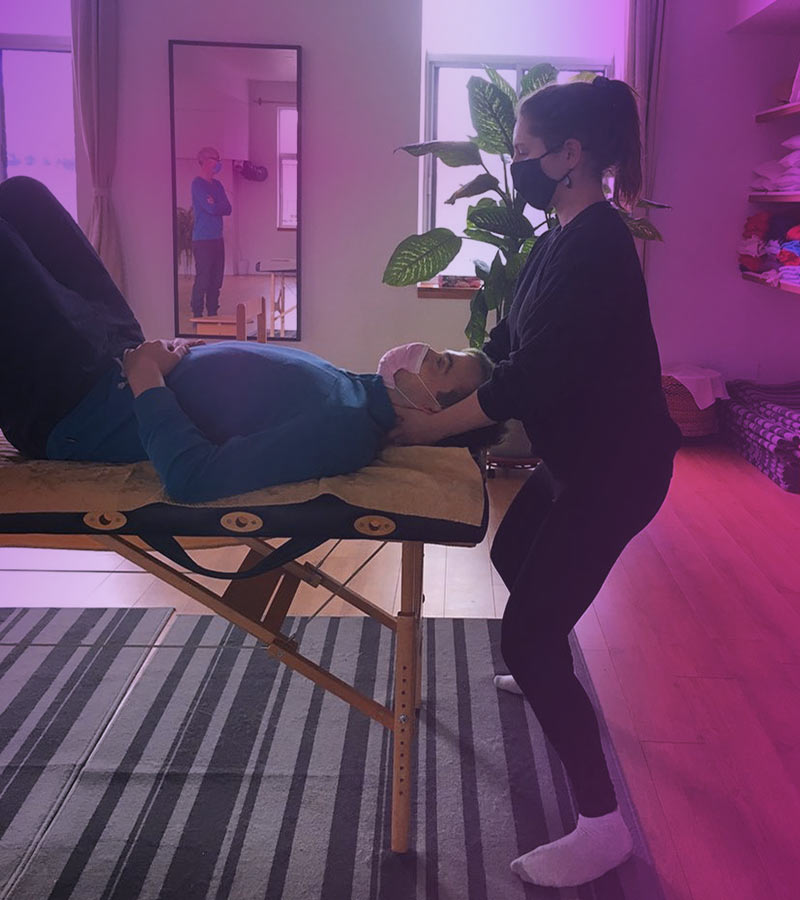
When singing a difficult phrase requiring sustained support or powerful vocals, you must engage the expansion of your back and intercostal muscles. The intercostal muscles, located in the chest between the ribs are nearly impossible to manipulatively stretch. Their role in singing is one of coordinated release and lengthening achieved through inhibition (or an accurate body map in the students mind) which invites a correlated relationship of expansion from the lower back muscles. And what about post-workout soreness, those days where you have to perform vocally but that lower body session from two days ago has you feeling stiff and vocally blocked? Won’t stretching help to loosen these knots? No.

Your best option is to practice a level of awareness in your workout wherein you monitor proper form, not as it is explained with the end goal of lifting a heavy object, but from an alignment and muscle engagement perspective: Any compression of the spine and lower back or tightening of the psoas and related respiratory muscles will need to be released to its natural resting length throughout every movement and at the end of every session to minimize the impact of workouts on the function of singing.

The deep soreness that follows a hard workout (“delayed-onset muscle soreness” (DOMS) or sometimes just “post-exercise soreness”) is very uncomfortable and it does impair performance. Many people believe that stretching can prevent or relieve it. But this definitely doesn’t work. Basically, nothing touches DOMS — nothing anyone has ever claimed as a treatment for it has actually passed a fair scientific test.*

The deepest problem for singers and non-singers alike lies in our tendency to only become aware of an issue in the body when a tension or misalignment has progressed so far as to cause pain and discomfort. Then, an attempt is made to eradicate the nuisance and yet no question of WHY is posed. Simply stretching tight muscle tissue without addressing the habitual irritant will only result in further misuse of the body and myofascial discomfort. Often, the culprit of our tensions and pain is our own posture and the manner in which we use our body habitually every day of our lives.

Muscles are “dumb”; they do only what they are told to do. I’m constantly pounding it into my patients’ heads that the nervous system controls everything and muscles don’t contract unless the nervous system says so. If a muscle is chronically tight, there’s a reason – for example, the body trying to provide stability to an unstable joint.

-Linsay Way, Dynamic Chiropractic

Chiropractors now suggest warming up your body by doing the exact moves your exercise routine calls for. Thus, in the case of a singer, warm up your connection to deep breathing through… breathing.

Careful- Herein lies a cyclical problem.

When I ask you to breathe, you have an instant reaction of what it means to breathe: How you perceive this action and what you feel while doing it is called your sensory perception. If a faulty sensory perception of “how to breathe” is causing you to follow a habit wherein your body is misaligned and holding tension, a warm up of breathing will never change your habit!

A 2010 paper in Physical Therapy identified our nervous system’s ability to learn how to allow greater movement. This means that a reduction in malleability anywhere in your body is actually a neurologically imposed limitation, not a physical one! The only way to change the resting level of muscle tension being set by the nervous system is through active psychosomatic movement. Improper movement, or habitual movements, can increase undesired tensions, posing a critical need to address faulty sensory perception and re-educate the student’s nervous system through Alexander Technique. Numerous studies back the Alexander Techniques’ efficacy, such as these two randomized studies that show the techniques as less expensive but equally effective, if not more than massage and even yoga in dealing with a full range of issues.

What we can take away from the way athletes approach their warm-up today is using a more gentle, focused piece of the ‘action of singing’ before diving into full belting, opera, or other styles that will call for maximum support. When the coordination and resulting movements are done properly, with a reliable sensory perception and coordinated release and expansion of the body, starting our session as singers by simply practicing breathing and gentle sound production is the absolute best way to warm up! Through this work, you are awakening the psychosomatic relationship integral to singing between your intention, your musicality, and your physical instrument.

Does Singing Everyday Improve Your Voice

Does singing everyday improve your voice

Singing students often feel guilty when they haven’t sat down and put in hours of uninterrupted practice every week. The thing is, there are ways for you to improve your singing just by having some self-awareness throughout the day and implementing healthy vocal habits!

Our bodies are our instruments. Just as with high performing athletes, the little habits we practice everyday have a significant effect. Working on your vocal training and making your singing voice healthy not only can be a daily practice, but it should be: What you do throughout your day directly impacts your singing ability.

This article will teach you how to improve your singing everyday, and may surprise you as you learn singing tips for quick and effective ways you can practice singing in just a few minutes.

Let’s find out: Does singing everday improve your voice?


These daily exercises are equal to taking A few singing lessons

Connect To Your Singing Voice When You Wake Up


Where does your day begin? The few feet from your head resting on the pillow, to sitting up in bed, to walking to the bathroom. If you live alone, maybe you don’t utter any sounds for a few hours; if you have housemates, a ‘good morning’ or conversation over coffee could be where you begin to vocalize. However, you are not really aware of how you are connecting to your own voice here.

If you sleep on a mattress that hurts your alignment, if you have naturally damaging habits, or if you spent the previous day dehydrated, you may start to speak in a damaging way! You can improve your vocal health by making vocal training one of the first things you do in the morning- this will align your body and voice for better speaking and singing.


Why Your Vocal Cords Should Be Warmed Up When You Start Your Day

Starting your day with a vocal warm-up is crucial for maintaining the health and flexibility of your vocal cords. Just like stretching before a workout, warming up your voice prepares it for the demands of the day, whether you’re speaking, singing, or presenting. A few minutes of gentle exercises can prevent strain, improve your vocal quality, and enhance your overall vocal performance.

Make it a part of your morning routine to ensure your voice is always at its best.


Voice lessons at home with daily exercises

Change up your morning routine: Access Chest Voice Every Morning

Incorporating chest voice exercises into your morning routine is essential for a well-rounded vocal warm-up. Your chest voice, which resonates in the lower part of your vocal range, adds depth and power to your voice. Begin with soft, low notes and gradually build up to fuller sounds. This practice not only strengthens your vocal cords but also enhances your vocal control and stability across different registers. Practice daily on you chest voice as these exercises will help you maintain a rich, resonant sound throughout the day.


Coffee And Vocal Fry

As a professional voice teacher, I have seen vocal fry work wonders for my students who have a hard time connecting to their core sound and chest voice. Vocal fry, also known as pulse register or glottal fry, is a distinct vocal technique characterized by a low, creaky sound produced at the lowest part of your vocal range.

Vocal Fry occurs when your vocal cords are relaxed and vibrate very slowly, creating a rattling or popping sound. Vocal fry is often used intentionally in various forms of speech and singing for stylistic effects, but has a proven positive effect on strengthening the voice when incorporated into vocal warm ups.

  1. When you wake up, try doing a few exhales with vocal fry. Take a deep breath, and on the exhale try to get that sound you may have heard in the movie “the grudge.” The trick is to ensure that you don’t feel this as tension in your throat; rather, it should feel like the crackling sound is coming from your chest while your jaw and throat are completely relaxed.

  2. Do it while you brush your teeth and make coffee. If you have the time, lay on the floor in Alexander Technique’s Semi-Supine or Active Rest position for five minutes while performing vocal fry. This will help to reset your alignment for easier breath control and sound production.


Work on high notes daily

Use Playing With Head Voice To Warm Up


Engaging your head voice during warm-ups is a fantastic way to start your vocal exercises. This lighter, higher register helps to ease your vocal cords into action without causing strain. By gently exploring your head voice, you can gradually extend your range and improve your vocal agility. Simple scales, humming, or gentle sirens are excellent vocal techniques used to activate your head voice, making it a playful and effective way to warm up your voice.


Breathy Yawns Can Help With Higher Notes

We can access our head voice a few ways, but try this out today:

  1. Take a moment to release any tension in your throat and jaw. See if you can exhale slowly and envision those areas of your body releasing.

  2. Tilt your head slightly back allowing your jaw to fall and release from the hinge point where your jaw meets your skull. For some, your jaw may not open very much and that is ok- many people carry a ton of tension in this area.

  3. With your tilted head, take a deep slow breath in and on the exhale explore the idea of sending air through your skull. Imagine you have no brain: Everything in there is hollow and capable of allowing air in to echo around.

  4. The sound you produce should be in your higher register, breathy, and may sound a bit nasal or squeeky inside your head.

  5. Try sliding through your range- wherever your sound stars, slide down slowly into your medium high and middle range notes.


Tired voice?

Take Those Breaks At Work


It has been said time and time again, take small breaks throughout the day to move your body. This improves focus, body soreness, and mental health. Now let’s add one to the list: It helps your singing too!

Try to take two to three small 5-10 minute breaks throughout the day to check in with your body. Ask your neck to to be free, your head to come forward and up in relation to your spine, and the spine to lengthen and widen in all directions.

Simply sending these requests invites your psycho-physical relationship to improve and the body will respond, if only in small degrees at first, more drastically over time. Whatever tensions you are holding throughout the day don’t magically go away when it is time to sing, so we have to make sure we are not building tension throughout our daily routines.


Bring body awareness into your breaks at work.

Take five minutes a few times a day to check in and give yourself a request to release tension. Feel your feet in contact with the floor. Think of your ankles extending deep into the ground with your head growing gently up from here, in relation to your back, which lengthens and widens as you sense your true height.

Renew these directions several times while breathing.


Jaw Tension Hurts Singing Ability


To all my teeth grinders and jaw clenchers, now is the time to become aware of your habit! Like all muscles, the more you use them, the stronger they get. The stronger your jaw muscles become, the more difficult it is to improve your singing voice as this tension radiates down through your throat and promotes “pushing” the sound.

Opening your mouth to sing is commonly restricted for beginner singers, but the mark of a good singer that everyone can see is someone whose mouth is WIDE open when they sing. It can be uncomfortable to try to stretch and force your jaw open farther, and not what we are recommending as this can cause vocal strain as well. Yet, a free jaw is essential when singing as it must be able to move according to where in your register you are singing and what vowels you are saying.

So, how do we work on eradicating jaw tension? Just like stretching any other muscle, you cannot will your jaw to be free and elongate to its maximum potential on the spot! Jaw tension is something a vocal coach could help you undo if you are feeling frustrated or lost in this process. However, if you want to work in it yourself, here is a suggestion:


Daily Exercise for Jaw Tension

When you brush your teeth, wash the dishes, or are working at your desk, check in with your jaw and invite it to release one percent more. So simple right? Yes, but I promise you- this is so fundamental and effective for improving singing and it doesn’t require spending money on singing lessons to do. Do this repeatedly throughout your day and week to gradually stop jaw clenching and enable the muscles to loosen.


The mark of a great singer

Practicing Singing Everyday Doesn’t Need To Be Complicated


Bad habits and good habits are ingrained in our bodies the same way: through repetition.  We cannot force our body to do the opposite of what it considers its normal 24 hours a day. However, we can permanently change how we use our body during daily activities through micro changes and repeated awareness of our habits. In turn, we improve how we tap into the body’s abilities during vocal production either speaking or singing.

Build a daily singing practice through these easy exercieses:

  1. Breathy yawns (for head voice)

  1. Vocal fry (for chest voice)

  2. Awareness of releasing tension in your jaw (for overall improvement)

Want to talk to a vocal coach and identify your negative tensions?


Express Voice Studio can help you create a daily vocal workout, breathing techniques and body awareness program to improve your singing.